The TAMISEE project
TAMISEE is a cross-border INTERREG France-Wallonie-Vlaanderen project run by 34 partners and co-funded by the European Union and the Public Service of Wallonia (SPW).
Objectives
Artificial lighting seriously degrades ecosystems and affects the behaviour of species that know no borders. Reducing artificial lighting only makes sense if it is done over long distances and large areas. That is why Belgian and French partners are joining forces around a shared ambition: reducing light nuisance through a coordinated cross-border approach.
Our territory
A consortium brings together the driving forces involved in the TAMISEE project. It unites local stakeholders from the two Walloon national parks and the regional nature park of the Ardennes in France, as well as numerous project partners from outside the area who contribute their experience and expertise in this field. Several actions will be carried out jointly by Walloon and French project partners.
The project is led by the Parc national de l’Entre-Sambre-et-Meuse, lead partner owing to its recent experience in managing European projects and budgets, and also to the importance it gives to the dark ecological network in its strategy and its 2023-2026 operational plan.
Pillars of action

Coordinating across borders

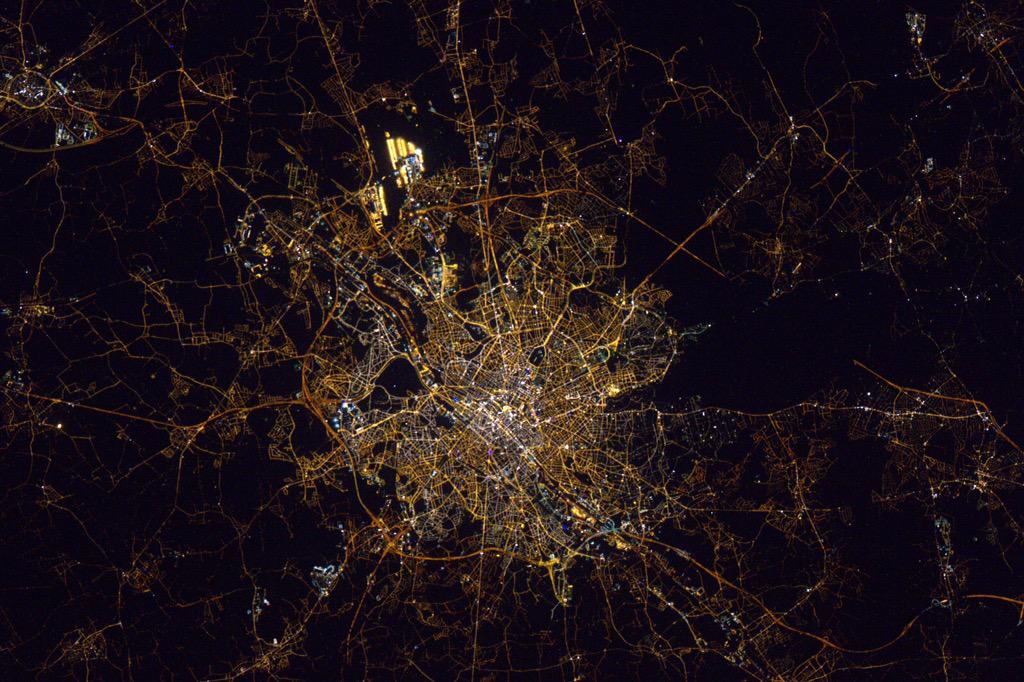
Mapping the dark ecological network
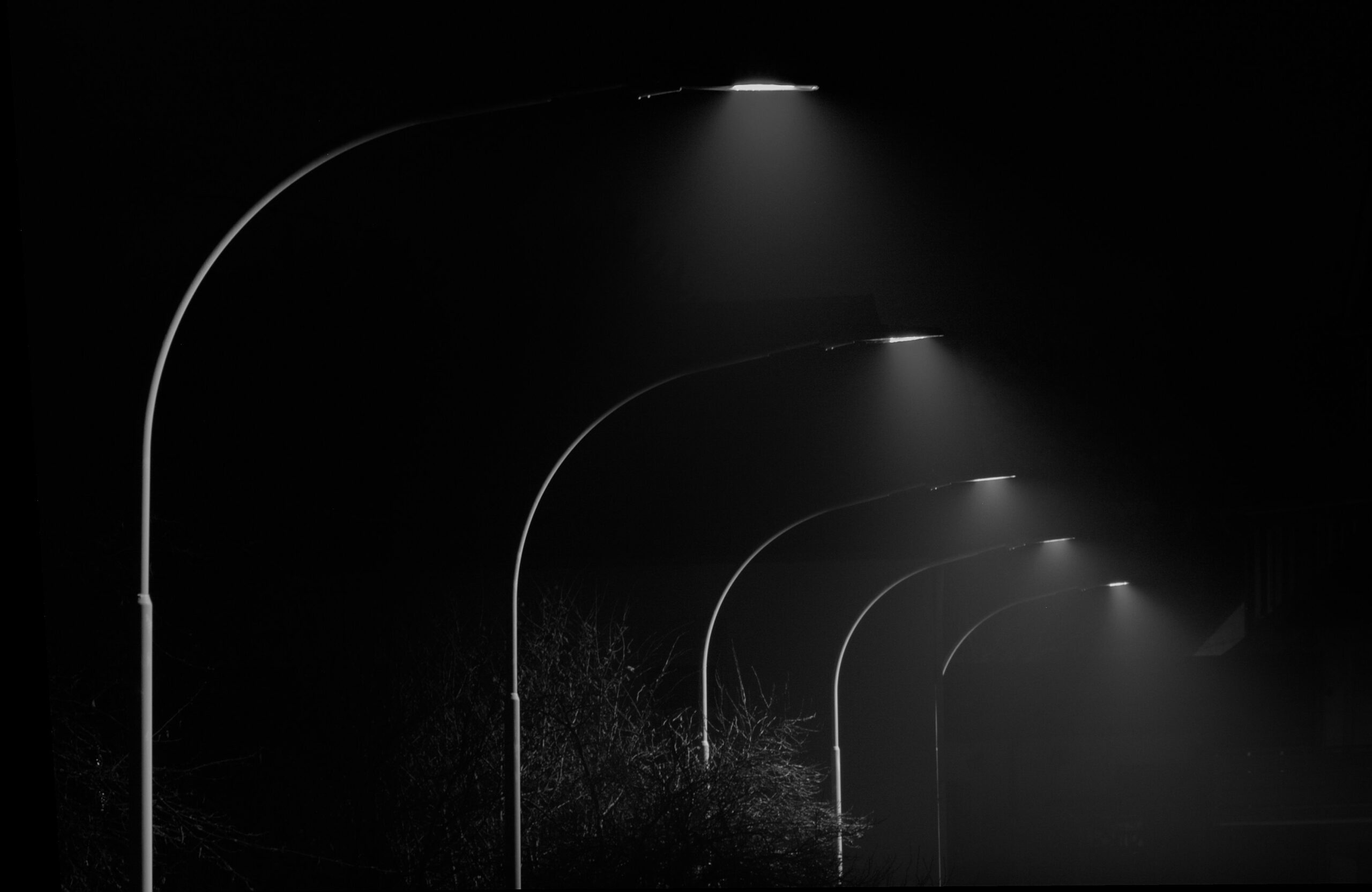
Adapting infrastructure
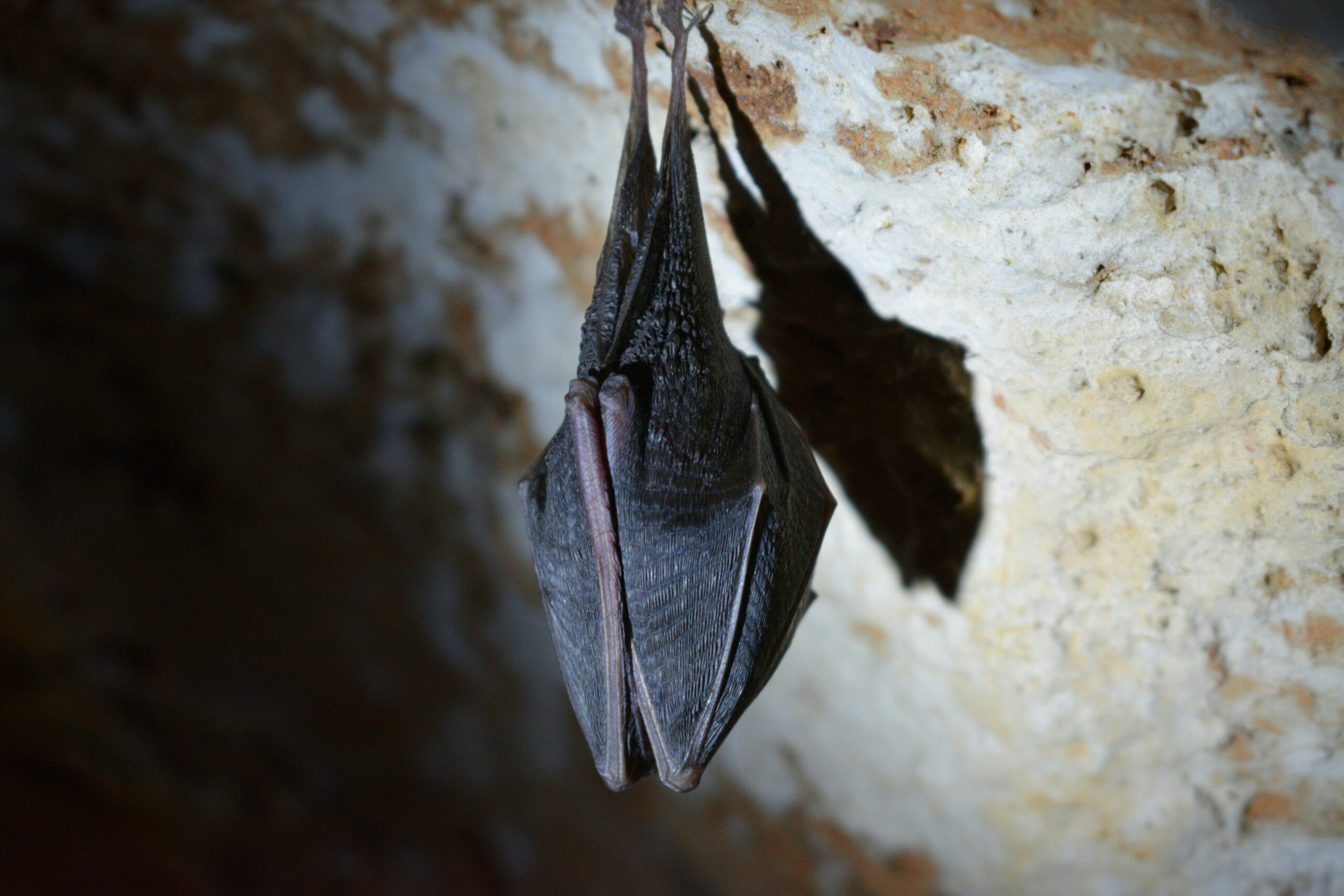
Restoring habitats

Raising awareness among local authorities and citizens
Coordinating across borders
To help Walloon and French territories work together around a shared vision, with common objectives and sustainable actions, the TAMISEE project provides for the creation of a cross-border night management plan.
To build this plan, several aspects will be steered by INRAE in France, for its scientific expertise, and by Espace Environnement in Belgium, for the participatory processes. Together, they will study how the night is perceived by residents and local stakeholders, the costs and benefits of the measures under consideration, as well as the obstacles and the solutions that can be implemented on the ground.

Mapping the dark ecological network
Mapping the conflict zones between biodiversity and lighting is essential to prioritise interventions on the ground. To this end, the Parc naturel de l’Ardenne méridionale and the Parc naturel de Gaume (BE) have been appointed to centralise the data collected by the Parc national de l’Entre-Sambre-et-Meuse and the Parc naturel régional des Ardennes. Together, they will commission a service provider to:
- Map the light emitted by artificial lighting;
- Compare night-time radiance maps with the state of biodiversity;
- Identify priority problem areas;
- Map the cross-border ecological network: the dark ecological network.
Adapting infrastructure
The cross-border night management plan and the mapping of the dark ecological network will demonstrate the benefits of adapting public lighting to preserve the night in areas that have already been adapted. Three showcase sites will be created. Once recognised, this work can serve as a model to inspire others. The Parc national de l’Entre-Sambre-et-Meuse, which has experience in this field, has been mandated to coordinate the action and provide transposable specifications for the adaptation of lighting infrastructure.
Restoring habitats
To support populations of bats and nocturnal birds of prey, suitable roosts and nest boxes will be installed by RenARd (FR), the Parc naturel Viroin Hermeton (BE), the Parc naturel régional des Ardennes (FR), the Parc national de la Vallée de la Semois (BE) and the Cercle des naturalistes et astronomes amateurs de la Botte du Hainaut (BE).
Raising awareness among local authorities and citizens
Preserving the night by adapting lighting requires taking local needs and uses into account. That is why substantial awareness-raising work will be carried out among local authorities and citizens, in particular through numerous events and activities which you can find in the News and events section, and through educational tools for teachers, activity leaders, professionals and municipal administrations.

Associated partners
In addition to the many regional stakeholders involved in the TAMISEE project, several organisations provide advice and share their experience. Several municipalities in the area are also associated with the project, in particular to contribute to the night management plan and the adaptation of infrastructure. Finally, Flemish and French parks have joined the initiative to further encourage exchanges and synergies across borders.